

The global digital nomad population surpassed 40 million in 2024, painting a picture of ultimate freedom and location independence. However, the reality of working from laptops in cafes around the world is not always as glamorous as it appears on social media. According to a 2025 Forbes survey, 69 percent of remote workers still report experiencing symptoms of burnout. The constant blending of work and leisure, combined with a lack of routine, often leaves remote workers feeling drained rather than inspired.
To combat this modern fatigue, many location-independent professionals are turning to the outdoors. Disconnecting from screens to challenge yourself in the wild is a proven way to build resilience. Just as this site’s author discovered during a thrilling experience taking a basic mountaineering course in Manali, stepping into the mountains teaches you invaluable lessons about yourself and the natural world. It forces you to be present, swapping Wi-Fi signals for altitude and fresh air.
The Hidden Physical Toll of Remote Work
Working outside of a traditional office often actively increases sedentary behavior. A recent study from the University of Turku in Finland found that remote workers sit or lie down for 45 minutes more per day compared to in-office days, simply because they lack a physical commute. Without a structured walk to the train or the office water cooler, knowledge workers can easily spend over 12 hours a day sitting. Furthermore, the absence of ergonomic office setups while traveling takes a severe toll on the body. Hunching over laptops on small cafe tables or soft Airbnb couches leads to poor posture, causing chronic lower back and neck pain. These issues require deliberate, physical interventions to correct, which is exactly where weekend trekking comes into play.
Rebuilding Your Body on the Trail
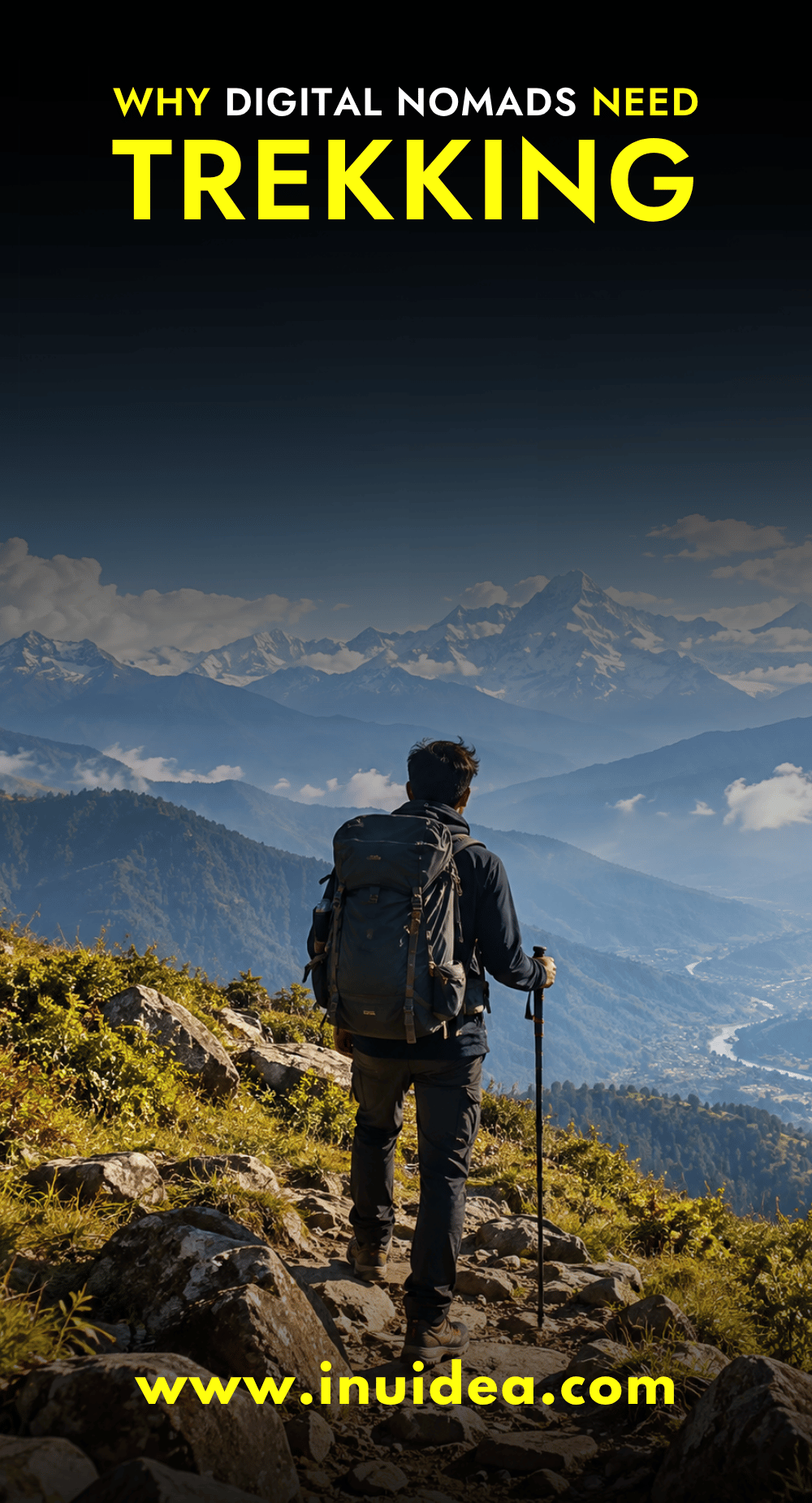
Hitting the trails offers an incredible full-body workout that offsets a week of sitting, provided you have the right equipment. Packing smart, lightweight gear is essential for any modern traveler. Investing in durable trail shoes and some cool canes and walking sticks can provide crucial stability on uneven terrain while adding personal flair to your outdoor adventures.
Biomechanical studies demonstrate that using walking poles can reduce the compressive force and load on knee joints by up to 25 percent. This joint relief is especially beneficial for remote workers whose muscles might be weakened by inactivity. Furthermore, gripping a walking stick encourages a more upright stance that actively counters the unnatural forward lean caused by hunching over a laptop, opening up the chest and taking pressure off the spine.
The Psychological Magic of Ecotherapy
Beyond physical repair, the mental health benefits of spending time in nature are profound. The American Psychological Association highlights that spending just two hours a week in nature can significantly restore cognitive flexibility and reduce stress, making outdoor recreation an essential practice for those dealing with digital burnout. This concept, often referred to as ecotherapy, proves that time spent in green spaces actively replenishes the cognitive resources drained by heavy digital use.
Modern digital nomads are beginning to recognize this biological need. Industry analysts note a shift away from rapid, nonstop travel. Instead, remote workers are prioritizing longer stays in destinations that offer lifestyle integration and proximity to nature. Premier digital nomad hubs like Madeira, Portugal, and Chiang Mai, Thailand, have surged in popularity precisely because they offer high-speed internet paired with immediate access to world-class mountain trekking trails.
Essential Tips for Integrating Trekking into Your Nomad Life
If you are ready to use weekend trekking as a health reset, making the transition is easier than you might think. Here are a few practical tips to help you get started:
- Prioritize location: Choose home bases that sit on the edge of nature. Look for cities where you can transition from your laptop to a trailhead in under an hour.
- Adopt the glamping trend: In 2025, digital nomad retreats saw a massive shift toward eco-friendly outdoor work setups. Try booking accommodations that immerse you in natural sunlight and fresh air to maintain a baseline of wellness.
- Focus on posture: Treat your weekend hike as a corrective physical therapy session. Walk tall, engage your core, and use your trekking poles to pull your shoulders back.
- Start slow: Your cardiovascular system might need time to adjust to steep climbs after weeks of sedentary remote work. Begin with gentle, undulating trails before tackling major peaks.
The global digital nomad tourism market is constantly evolving. Today, the focus is firmly on sustainable travel and remote work experiences that prioritize mental clarity over crowded urban centers. By trading your keyboard for the trail each weekend, you can successfully navigate the physical and psychological challenges of remote work, returning to your laptop every Monday feeling genuinely refreshed and inspired.
Thanks for reading this article. 💚
If you loved what you read, could you buy me a cup of coffee? It’s okay if you can’t right now.
If you have any questions or would like to work with me, or want help with content creation, website design, blogging, or digital marketing — feel free to contact me.
Take care.
Love, love!

Leave A Comment